Fears of global aluminium shortages that could affect the production of clean energy technologies intensified after Iran struck two major Gulf aluminium producers, sending prices to a four-year high. The Middle East accounts for 9% of the world’s production of aluminum, which is essential to a wide range of industries from transportation, construction, and packaging, as well as the manufacture of solar panels, electrical transmission systems, wind turbines, and EVs.
Export shipments to the US and Europe had already come to a halt because of the effective closure of the Strait of Hormuz, and Morgan Stanley economists singled out aluminium as carrying a high level of risk across the value chain. Andy Farida, an aluminium analyst at Fastmarkets, told Semafor that high prices would be passed on to end-users, ultimately causing demand destruction. “A prolonged shutdown (with little to no alternative supplies other than Russia and China) could cripple the supply of aluminium to support the production of clean and green technology,” he said, adding that relief could come “if governments allow some sanctioned Russian and Chinese aluminium to be imported.”





 All the ways Marjorie Taylor Greene has shifted her approach lately — and why Trump is 'surprised at her'
- Experience Arranging: Planning for Epic Excursions
- How Mars 'punches above its weight' to influence Earth's climate
- Sally Rooney books may be withdrawn from UK sale over Palestine Action ban, court told
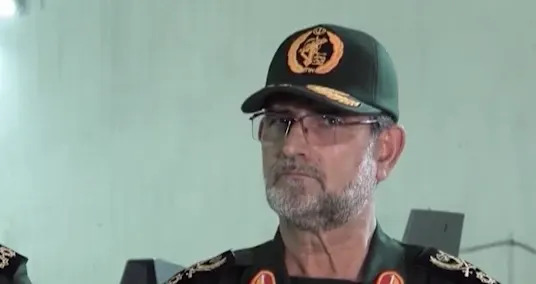
- Iranian naval commander Alireza Tangsiri killed in attack, says Israel
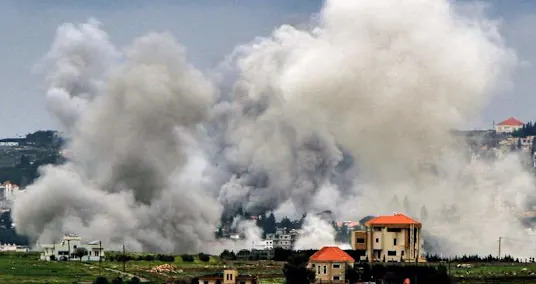
- 'Israel has the right to continue its attacks,' Lebanese Foreign Minister announces
- Schools to start reopening after Nigeria mass abduction
- 'Something Very Bad Is Going to Happen' is the Duffer Brothers' first project since 'Stranger Things.' It's also 'wildly insane.'
- Your kid wants it now. What saying yes, no or not yet teaches kids about money and instant gratification.